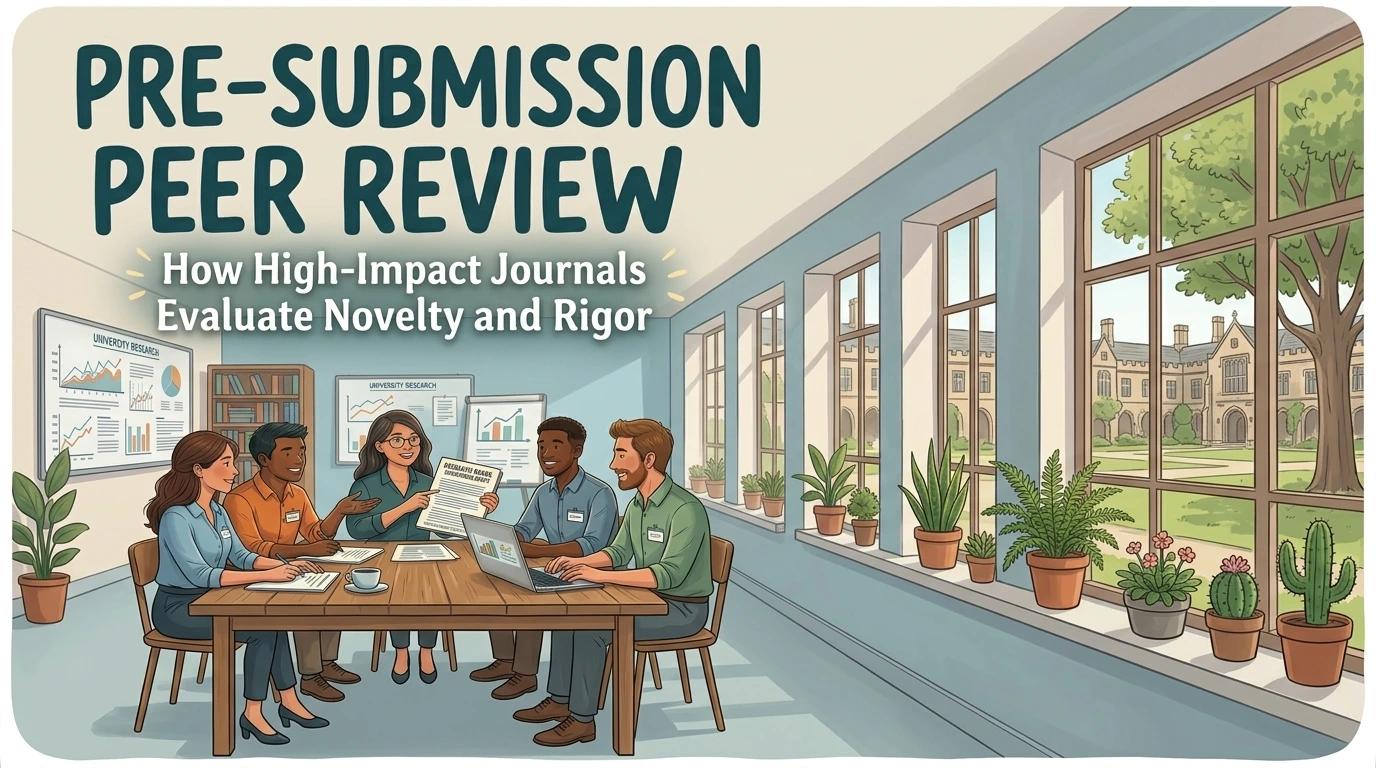
Pre-Submission Peer Review: 7 Ways to Assess Novelty and Rigor for High-Impact Journals in 2026
A manuscript can present statistically significant findings, use sophisticated analytical

Discover the secrets of impactful scientific writing through our engaging blogs. We provide practical tips and tricks to streamline your communication of complex ideas, ensuring clarity and precision in every sentence. Additionally, we guide you through essential research editing techniques and introduce valuable writing tools that will amplify your writing experience. Join us on this enriching journey as we equip you with the skills and tools to excel in the art of scientific communication.
A manuscript can present statistically significant findings, use sophisticated analytical techniques, and address an important scientific question yet still receive...

Academic proofreading is a specialized service, but setting the right price can be challenging. Charge too little, and you risk...
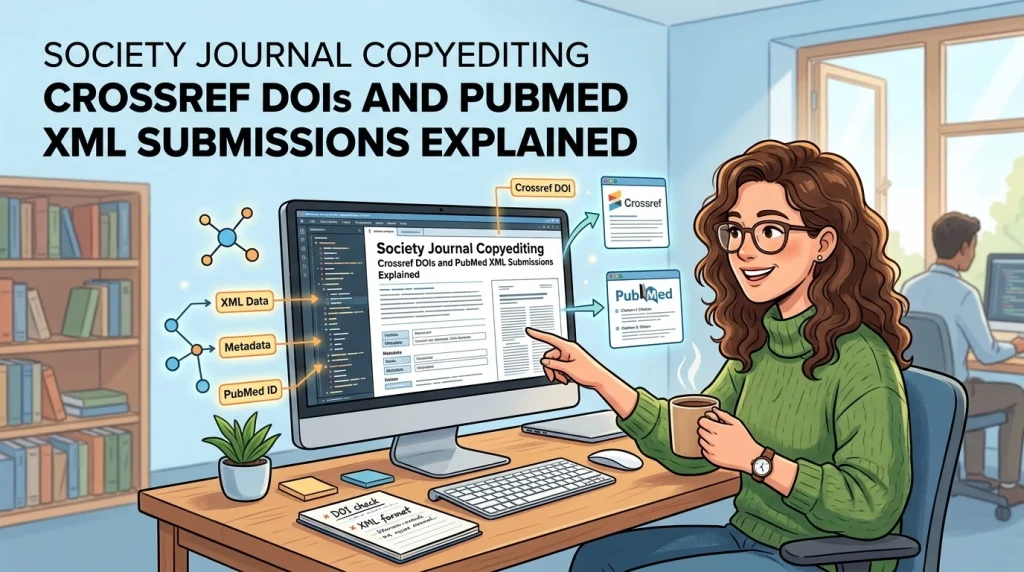
Society journal publishing requires more than accurate grammar, consistent references, and polished page layouts. To distribute scholarly content reliably, publishers...
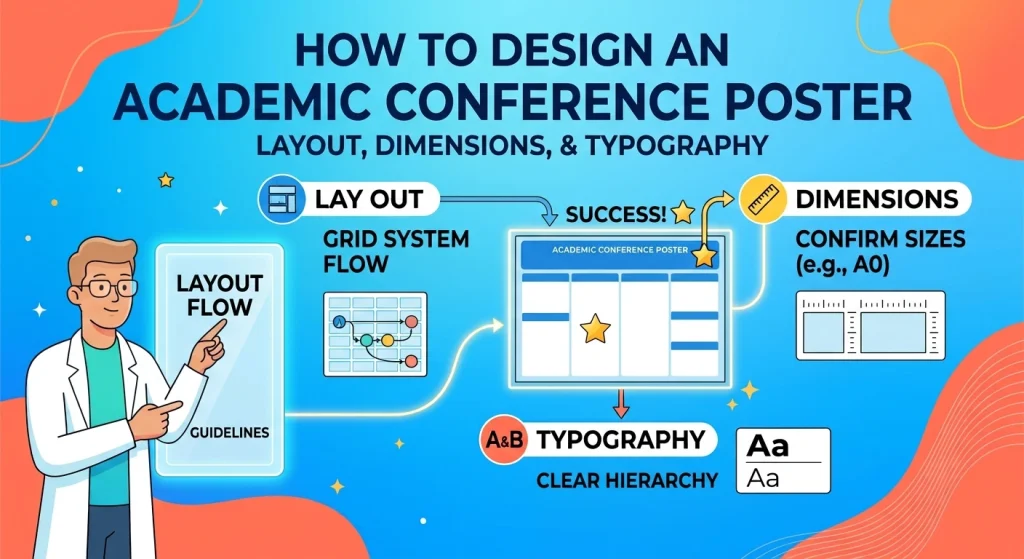
An academic conference poster must communicate complex research in a format that attendees can understand quickly, often while standing several...
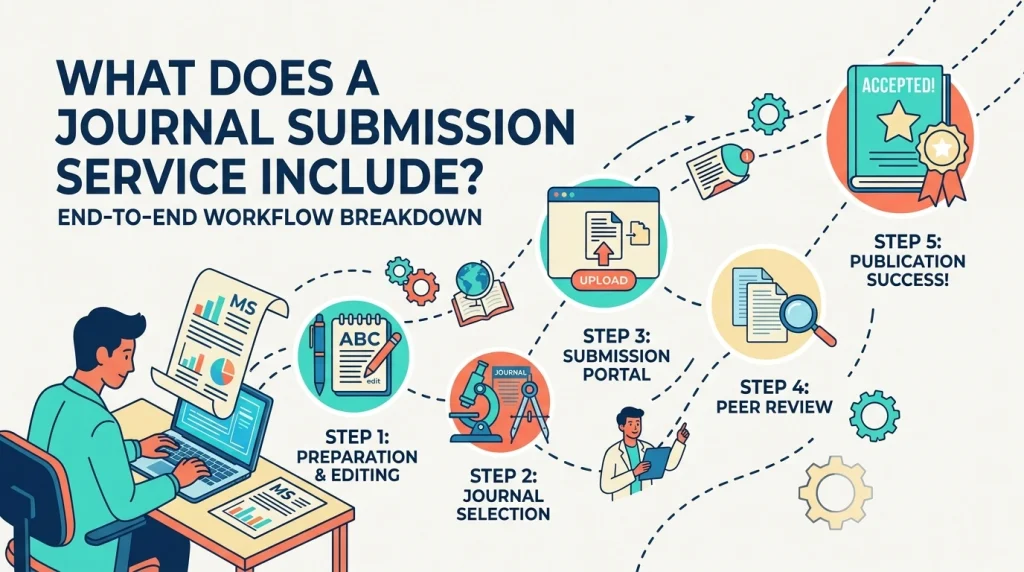
Submitting a research paper to an academic journal involves more than uploading a manuscript and clicking “Submit.” Authors must interpret...
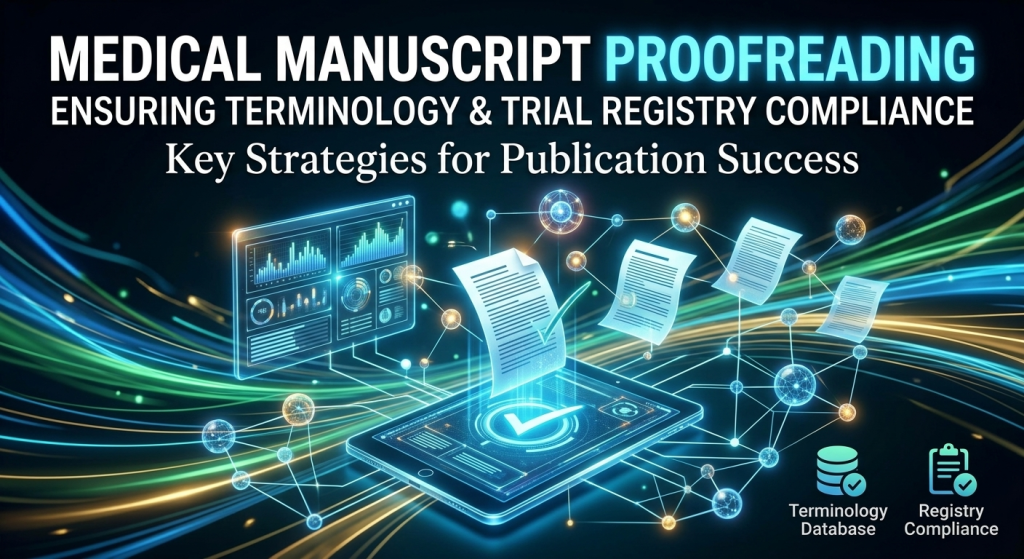
Medical manuscript proofreading involves more than correcting grammar, punctuation, and spelling. For clinical researchers, it also requires checking medical terminology,...

Writing the Methods section of a clinical trial manuscript requires more than describing the procedures researchers followed. Authors must demonstrate...
Writing a systematic review and meta-analysis is not simply a matter of collecting papers, calculating a pooled effect, and adding...

Researchers increasingly use automated software before submitting a manuscript to a journal. AI detectors, similarity checkers, reference verification systems, grammar...

Submitting a manuscript to the wrong journal can cost far more than an article processing charge (APC). A questionable publisher...
Using generative AI to brainstorm, organize, edit, or even draft portions of a book or academic monograph is no longer...
Submitting an academic paper without knowing how it may be evaluated for AI-generated writing can create unnecessary anxiety. Many students...
For researchers using ChatGPT, Claude, Gemini, or other generative AI tools, one question has become increasingly urgent: How much AI-generated...
Using artificial intelligence to improve a manuscript is no longer an unusual practice. Researchers use large language models (LLMs) and...
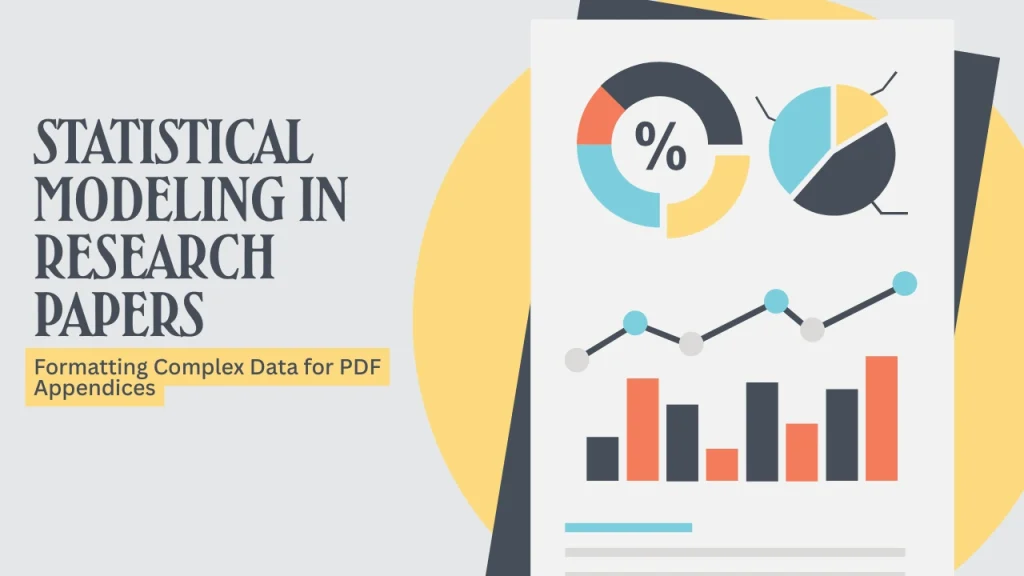
Statistical models can strengthen a research paper, but poorly formatted model outputs can make even rigorous analysis difficult to evaluate....
Writing the Results section often creates a deceptively difficult question: How long should the Results section of a research paper...

Preparing tables and figures for journal submission is not simply a matter of making data look attractive. A manuscript can...
Choosing between Harvard referencing style and MLA citation format can seem straightforward until you begin formatting an actual research paper....
Citing a master’s thesis or PhD dissertation correctly can be surprisingly difficult. The source may be unpublished, stored in a...
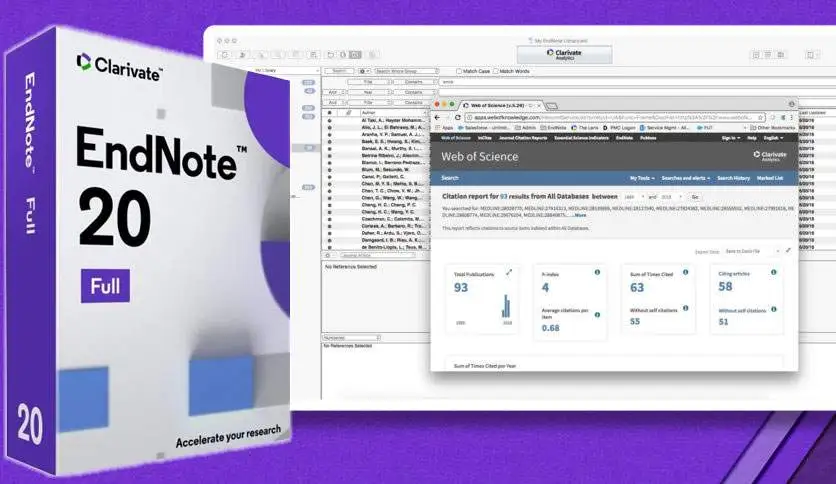
Researchers often encounter a confusing question when evaluating journals: Is Web of Science peer reviewed? The short answer requires an...
Researchers often encounter a frustrating question when preparing a manuscript: Is Web of Science free to access? The answer is...
A manuscript can present statistically significant findings, use sophisticated analytical

Academic proofreading is a specialized service, but setting the right
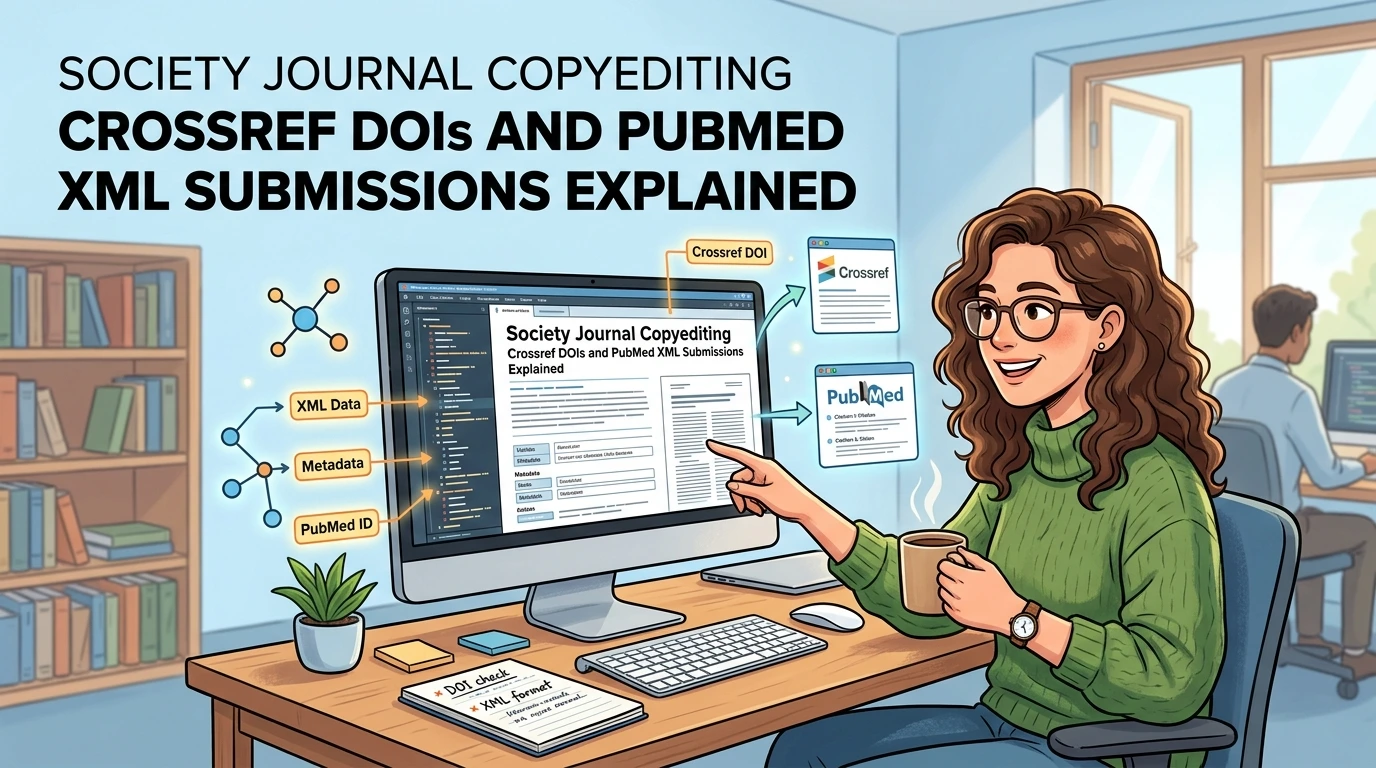
Society journal publishing requires more than accurate grammar, consistent references,


Our expert scientific editors refine language, clarity, and structure to meet international journal standards.
Tell us a bit about your project and we’ll get back to you within 24 hours.